Decanting 101: When, Why, and How to Let Your Wine Breathe
Few rituals in the world of wine are as elegant as decanting. Pouring a bottle slowly into a beautiful glass vessel looks impressive, but decanting is far more than theater. Done correctly, it can transform a tightly wound, harsh wine into something soft, aromatic, and expressive. Done at the wrong moment, it can flatten a delicate vintage. This guide breaks down exactly when, why, and how to let your wine breathe so you can get the most out of every bottle you open.
What Decanting Actually Does
Decanting may look like a single gesture, but it actually accomplishes two very different things depending on the bottle in front of you. Understanding the distinction between these purposes is the first step to mastering the practice and deciding whether a wine needs the treatment at all.
Aeration
The most common reason to decant is aeration — exposing the wine to oxygen so it can “open up.” Many wines, especially young reds, taste muted or tightly closed the moment the cork comes out. Contact with air softens aggressive tannins and coaxes out deeper aromas and flavors. A wine that seemed flat or harsh in the glass can become rounded and fragrant after time in a decanter.
Removing Sediment
The second purpose is purely practical. Older red wines naturally develop sediment over years in the bottle — harmless, but gritty and unpleasant in the glass. Careful decanting separates the clear wine from this deposit, leaving you with a cleaner, smoother pour.
When You Should Decant
Not every bottle benefits from decanting, and knowing which wines to leave alone is just as important as knowing which to aerate. The right decision depends on the grape, the age of the wine, and how it presents the moment you first taste it.
Wines That Love a Decanter
Young, tannic reds are the classic candidates. Bold Cabernet Sauvignon, Syrah, Malbec, and young Bordeaux blends often need air to show their best. According to wine professionals, even white wines and certain reductive bottles showing faint sulfur aromas can benefit from a short, gentle exposure to air, as detailed in Coravin’s decanting guide. The general principle is simple: the more powerful and youthful the wine, the more it tends to reward aeration.
Wines to Handle With Care
Light-bodied whites, most rosés, and sparkling wines are usually best served straight from the bottle — decanting can strip away their freshness and bubbles. Very old, delicate vintages are the trickiest case: they may benefit from sediment removal but can fade quickly once exposed to too much oxygen, so they should be served soon after decanting.
How to Decant Like a Professional
The technique behind a polished decant is far simpler than it appears, and anyone can master it with a little attention. Follow these four steps and you will handle any bottle with the confidence of a seasoned sommelier.
Step 1: Let the Bottle Stand
If the bottle has been stored on its side, stand it upright for several hours — ideally overnight for older wines — so any sediment settles to the bottom.
Step 2: Open Carefully
Use a reliable corkscrew and open the bottle gently. With fragile older corks, a two-prong puller helps prevent crumbling.
Step 3: Pour Slowly and Steadily
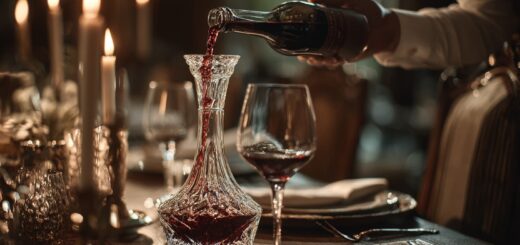
Pour into a clean, scent-free decanter in one smooth motion. A light source behind the bottle’s neck lets you watch for sediment. Stop pouring the moment sediment reaches the neck, leaving a small amount of wine behind in the bottle.
Step 4: Give It Time
Allow young reds anywhere from twenty minutes to a couple of hours to open, tasting periodically. As a rough guide, an hour in the decanter is often said to accelerate a wine’s natural development by roughly a year — so taste as you go rather than walking away.
Common Decanting Myths
A few persistent myths are worth dispelling. Decanting is not only for expensive wines — an inexpensive young red can improve dramatically with air. Nor does every bottle “need” hours; many wines reach their peak in well under an hour. And a decanter does not have to be an elaborate crystal showpiece. A clean, simple vessel with a wide base does the job beautifully.
Conclusion
Decanting is part science and part ritual. At its core, it is about respect — giving each bottle the oxygen and presentation it deserves so it can express everything it has to offer. Start by paying attention: taste the wine before and after, note how the aromas evolve, and you will quickly develop an instinct for which bottles to decant and for how long. With a little practice, this simple act becomes one of the most satisfying ways to elevate any glass of wine.








Recent Comments